If you search for DJ studio hire London, you’ll find everything from small practice rooms to full-scale creative spaces.
They are not the same thing.
A bedroom setup gives you unlimited access. A professional studio gives you the right gear, controlled acoustics, room to move, and a backdrop that already looks finished.
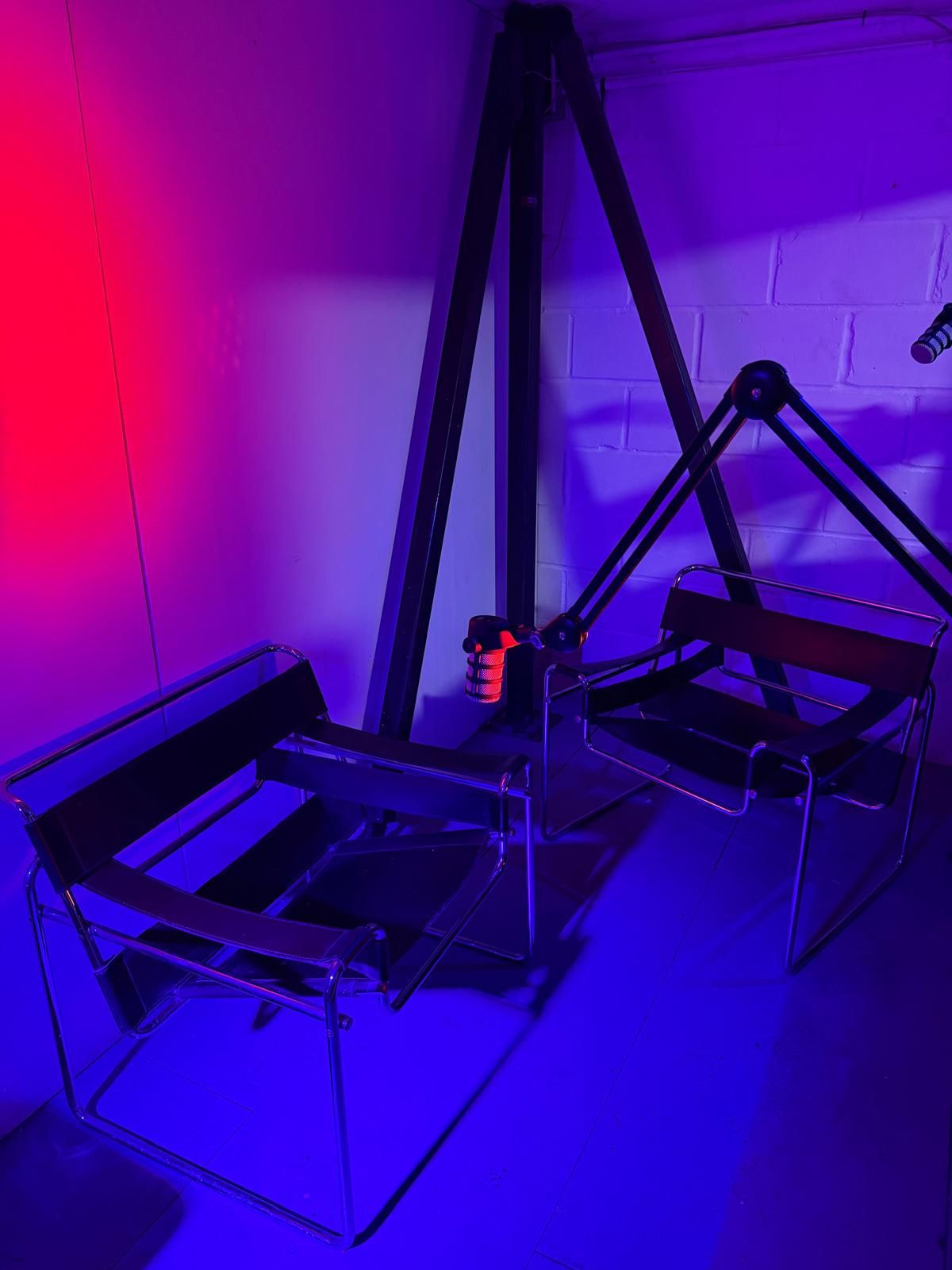
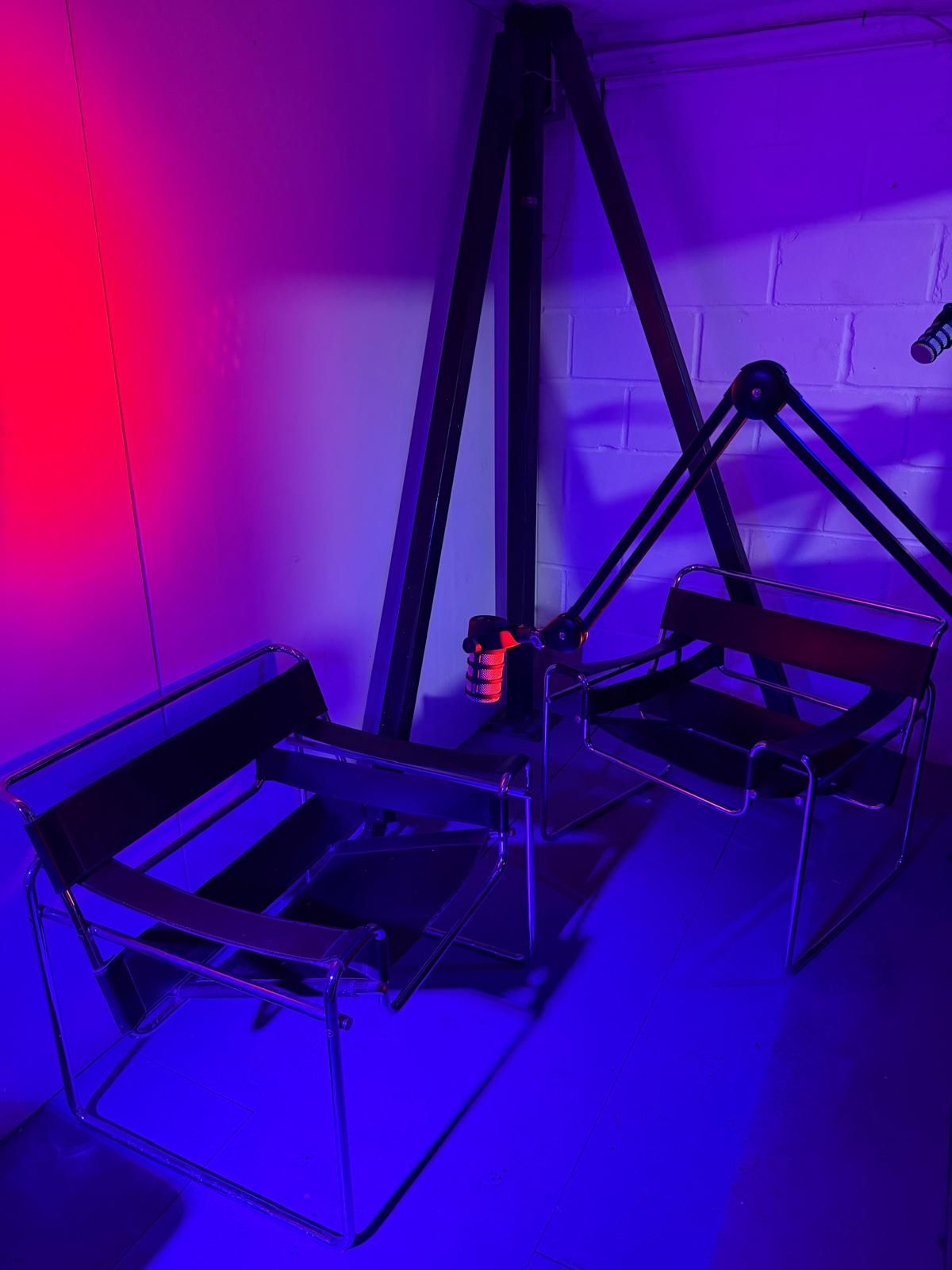
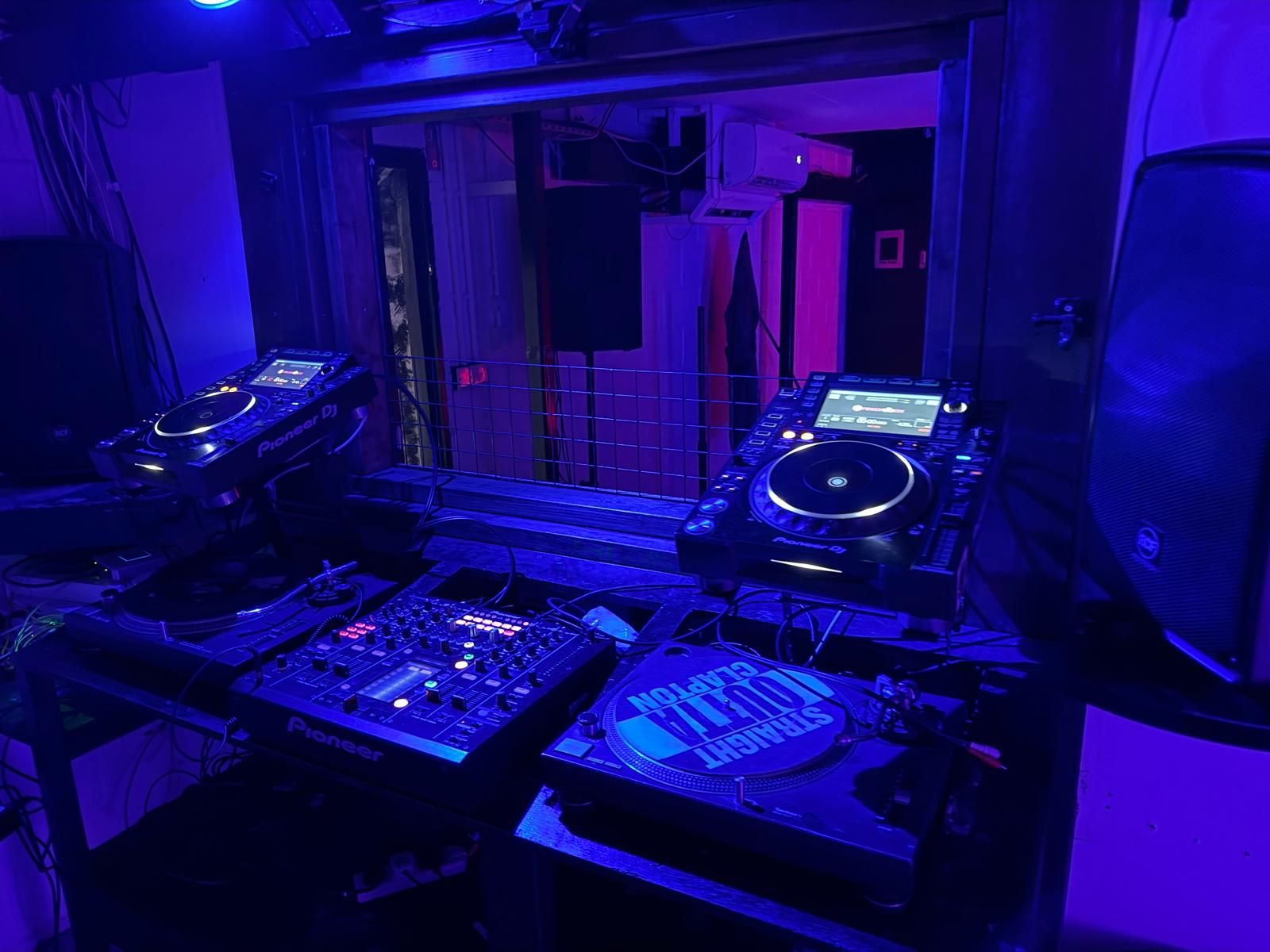
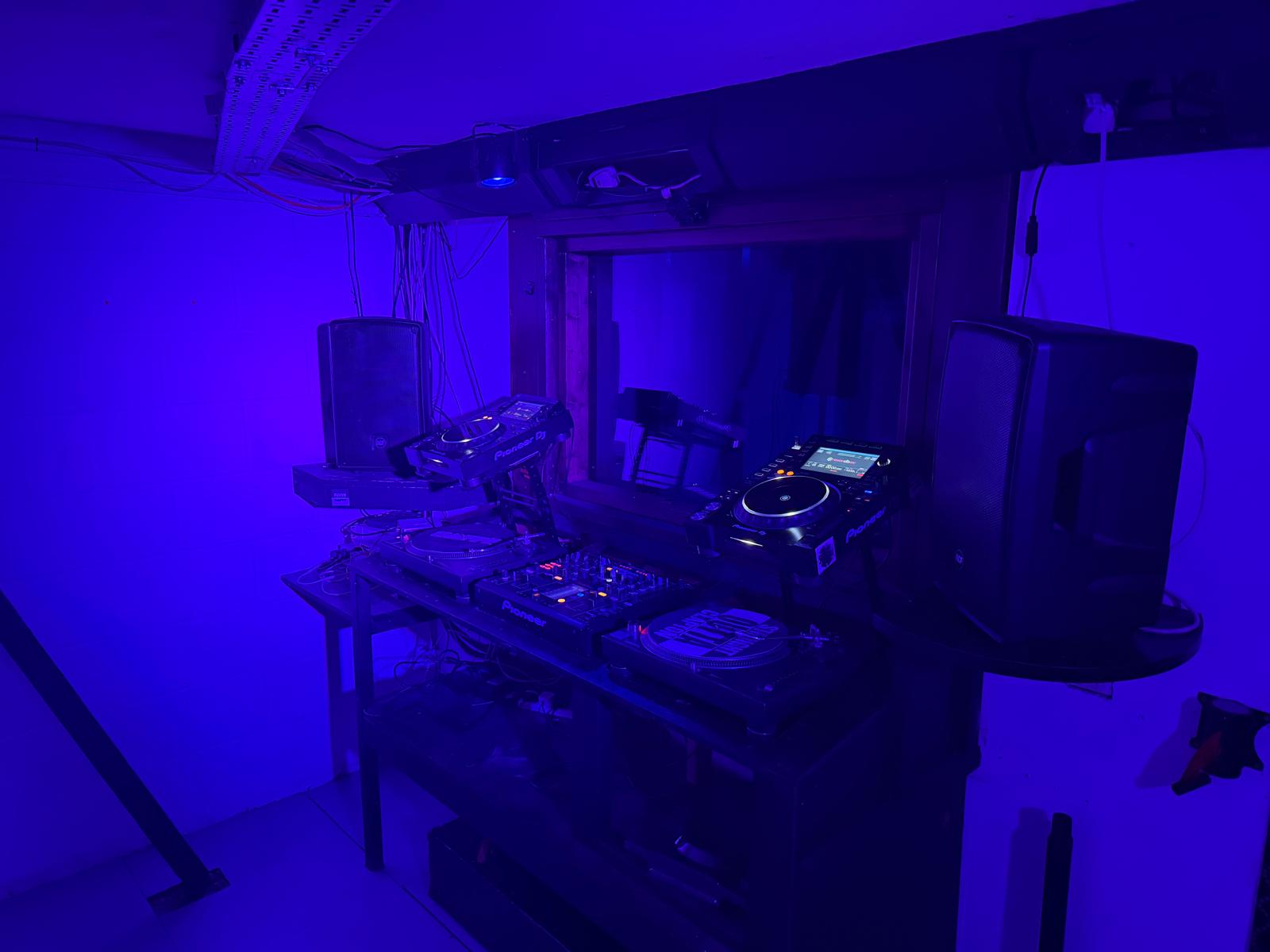
At @38, DJ studio hire starts from £600 for up to 4 hours on the exclusive main floor. That includes Pioneer CDJ multi-players, turntables, a professional DJ mixer, full PA and monitor system, and the atmospheric lighting rig.
Clapton E5. No set build required. We respond within 24 hours.
So when does the upgrade actually pay for itself?
Start with the bedroom setup
Your bedroom is convenient. That is the main advantage.
You can mix for 20 minutes before work. Record a rough idea at midnight. Practice the same transition until it stops sounding like an accident.
You do not need to travel. You do not need to book a slot. You do not need to watch the clock.
The cost depends on how far you take it.
A realistic home DJ setup
If you already have a laptop, a usable bedroom rig might include:
- DJ controller: £250–£600
- Studio monitors: £150–£350
- DJ headphones: £50–£150
- Cables, stands and desk equipment: £100–£200
- Basic acoustic treatment: £100–£300
That puts a typical setup between £650 and £1,600.
It is enough for learning, regular practice, home mixes and low-volume streaming. You can build it gradually. Start with the controller. Add monitors later. Treat the room when you understand what the room is doing to your sound.
A club-standard bedroom setup is a different calculation.
Two used Pioneer CDJs and a professional mixer can take you into the £3,500–£5,000+ range before you add better monitors, acoustic treatment and furniture. New flagship decks push the number higher.
That is a lot of money to spend on equipment that might still be squeezed between your bed and a clothes rail.

What your bedroom gives you : and what it does not
1. Unlimited access
This is where home wins.
If you practice several times a week, the value is obvious. You can build muscle memory without paying for every hour. You can test a new playlist, stop, come back, and change direction.
That freedom matters.
A studio booking is focused time. Home is where you develop the habit.
2. Limited acoustics
Most bedrooms are not designed for accurate monitoring.
Parallel walls create reflections. Corners exaggerate bass. Desks vibrate. One side of the room may sound louder than the other. You move your head a few inches and the mix changes.
Soft furnishings help. Rugs, curtains and sofas absorb some reflections. Basic panels can improve the first reflection points. Bass traps can help with low-end buildup.
But foam stuck to the wall will not turn a bedroom into a professional room.
You can still practice effectively at home. Use headphones when necessary. Keep your monitor volume sensible. Learn the room instead of trusting it blindly.
For recording a final mix, preparing for a serious set or playing at full volume, a purpose-built space gives you a cleaner reference.
3. Space limits
A bedroom setup is usually designed for one person.
Maybe two, if nobody needs to open the wardrobe.
That becomes a problem when you want to:
- Play back-to-back with another DJ
- Add a third deck
- Use turntables alongside digital players
- Bring a camera operator
- Record a proper video
- Host a small team
- Test a live set with full sound
The equipment may fit. The production usually does not.
4. A background that looks like a bedroom
There is nothing wrong with a bedroom. It is just not always the image you want attached to the set.
If you are recording content for a release, promoting a night, building a press kit or streaming a performance, the visual environment becomes part of the work.
White walls, cables and laundry in the background make the viewer notice the room.
A raw industrial space gives them something else to look at.

What professional DJ studio hire changes
The first difference is simple.
You arrive. The rig is ready.
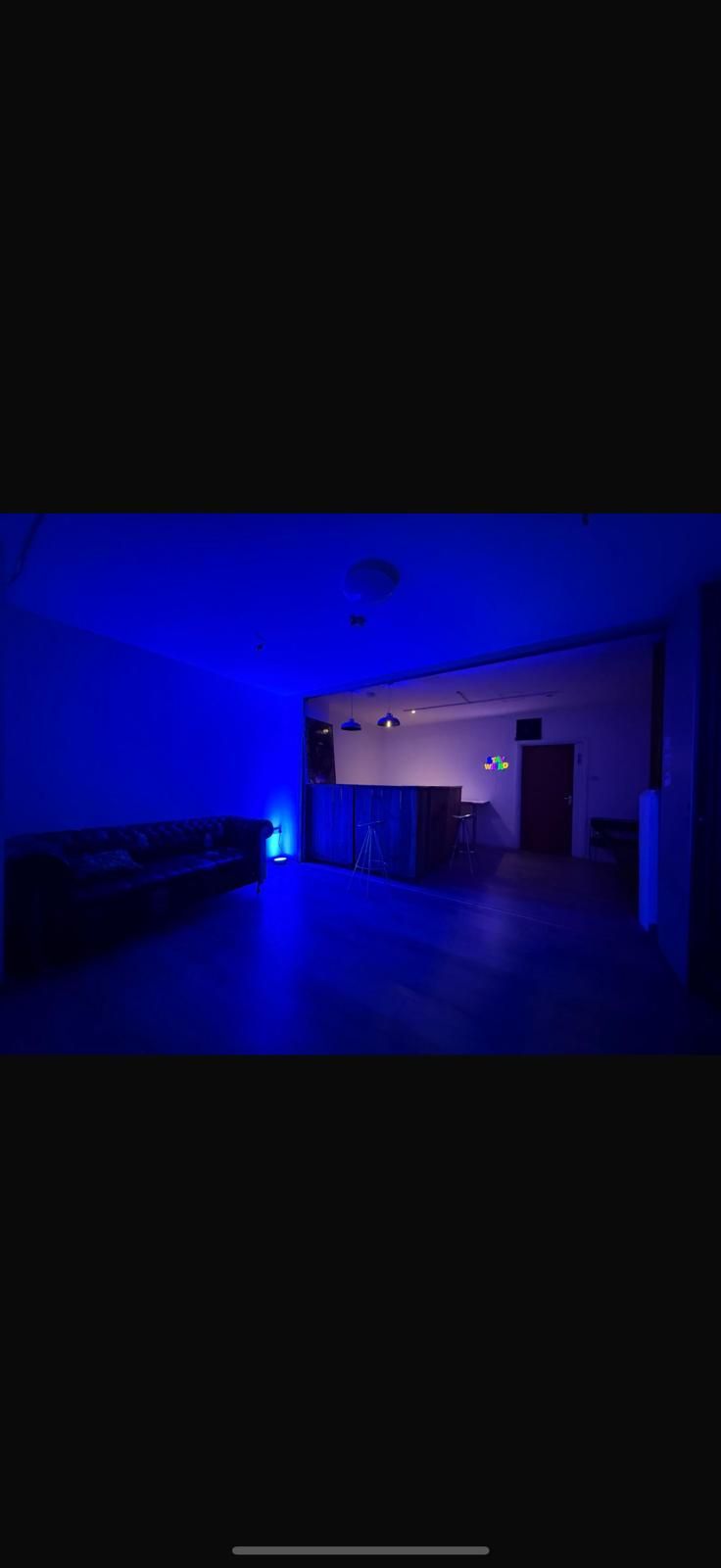
At @38, the main floor includes:
- Pioneer CDJ multi-player decks
- Turntables for vinyl sets
- Professional DJ mixer
- Full PA and monitor system
- Controlled acoustics
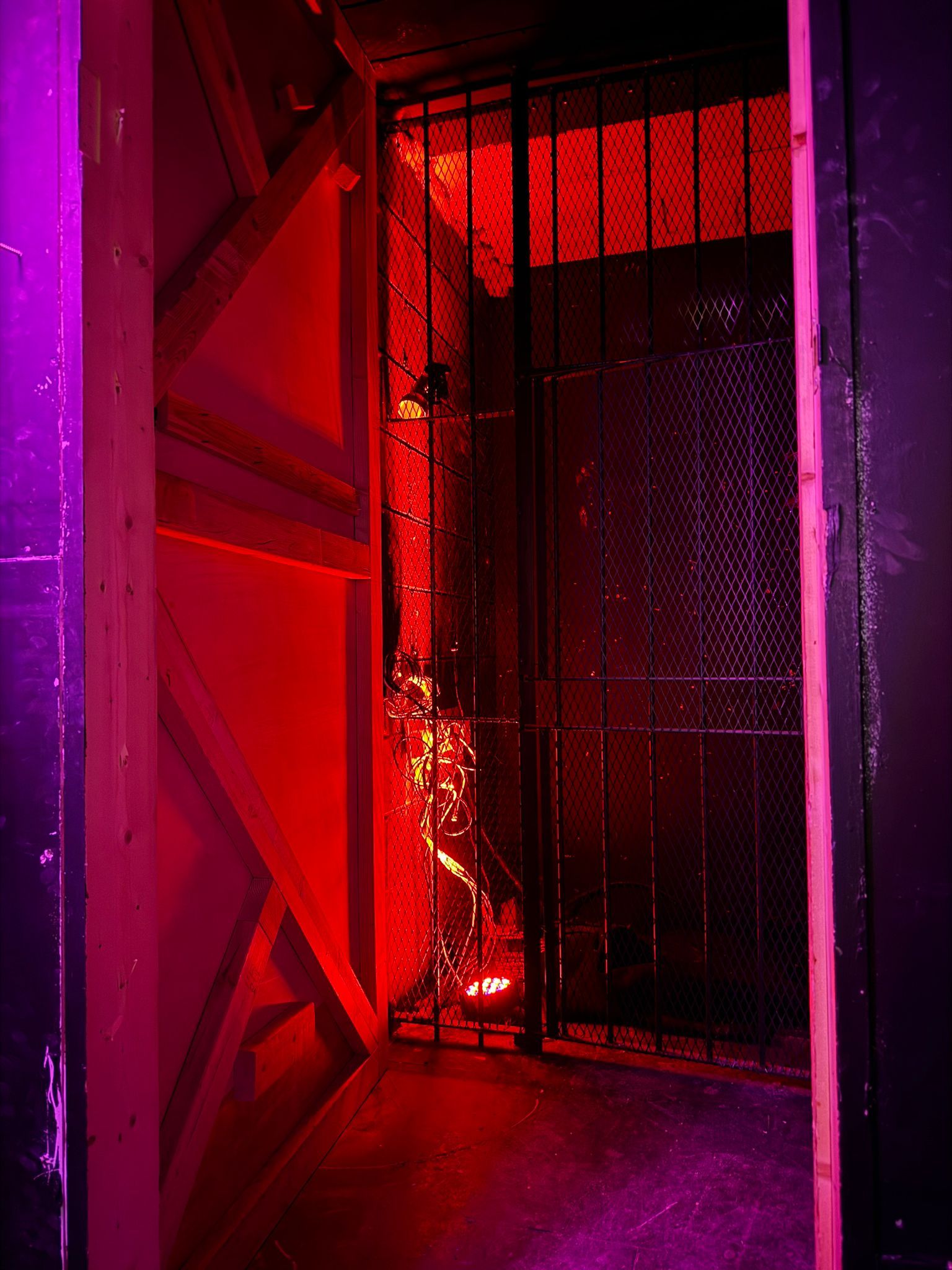
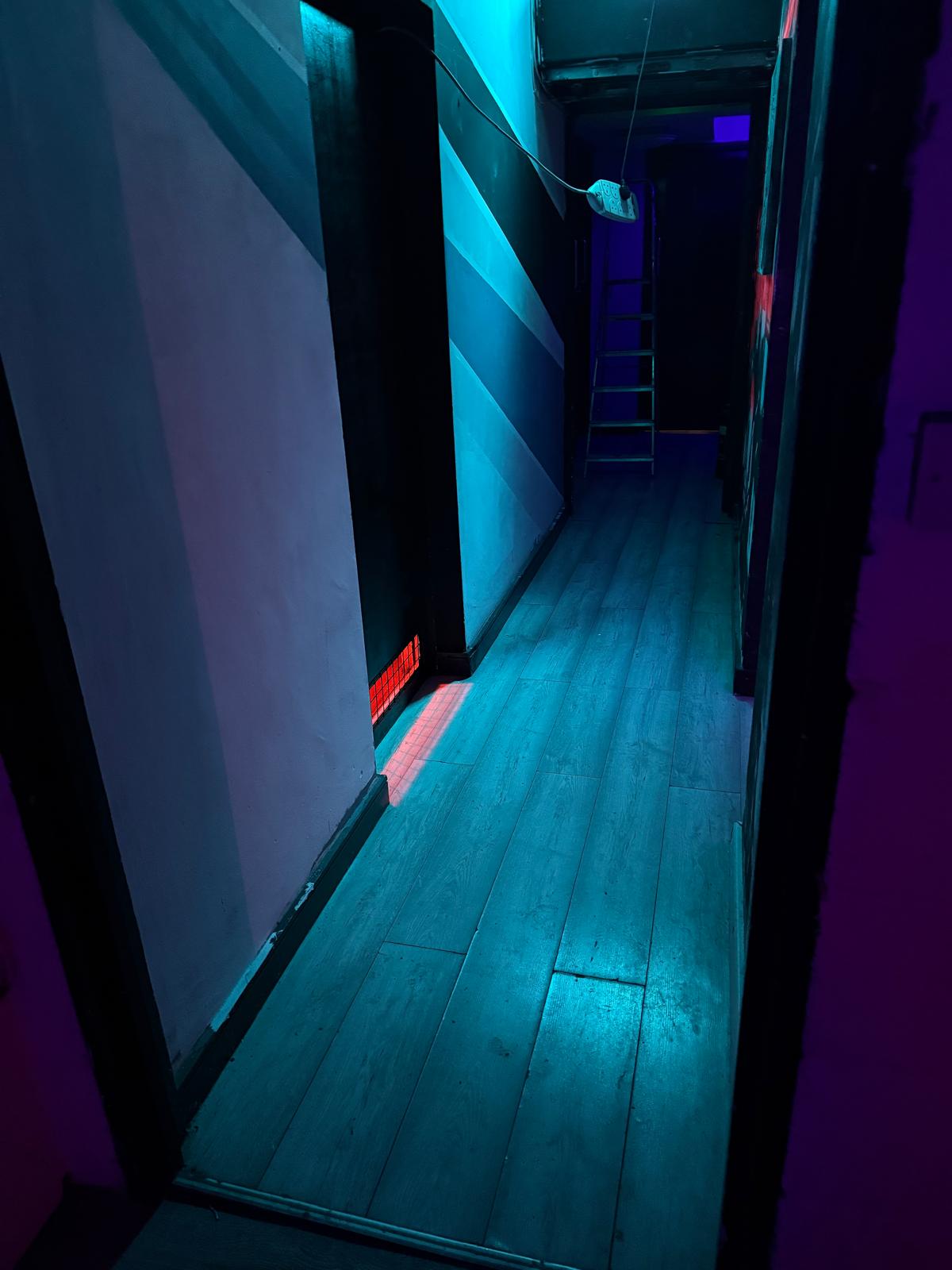
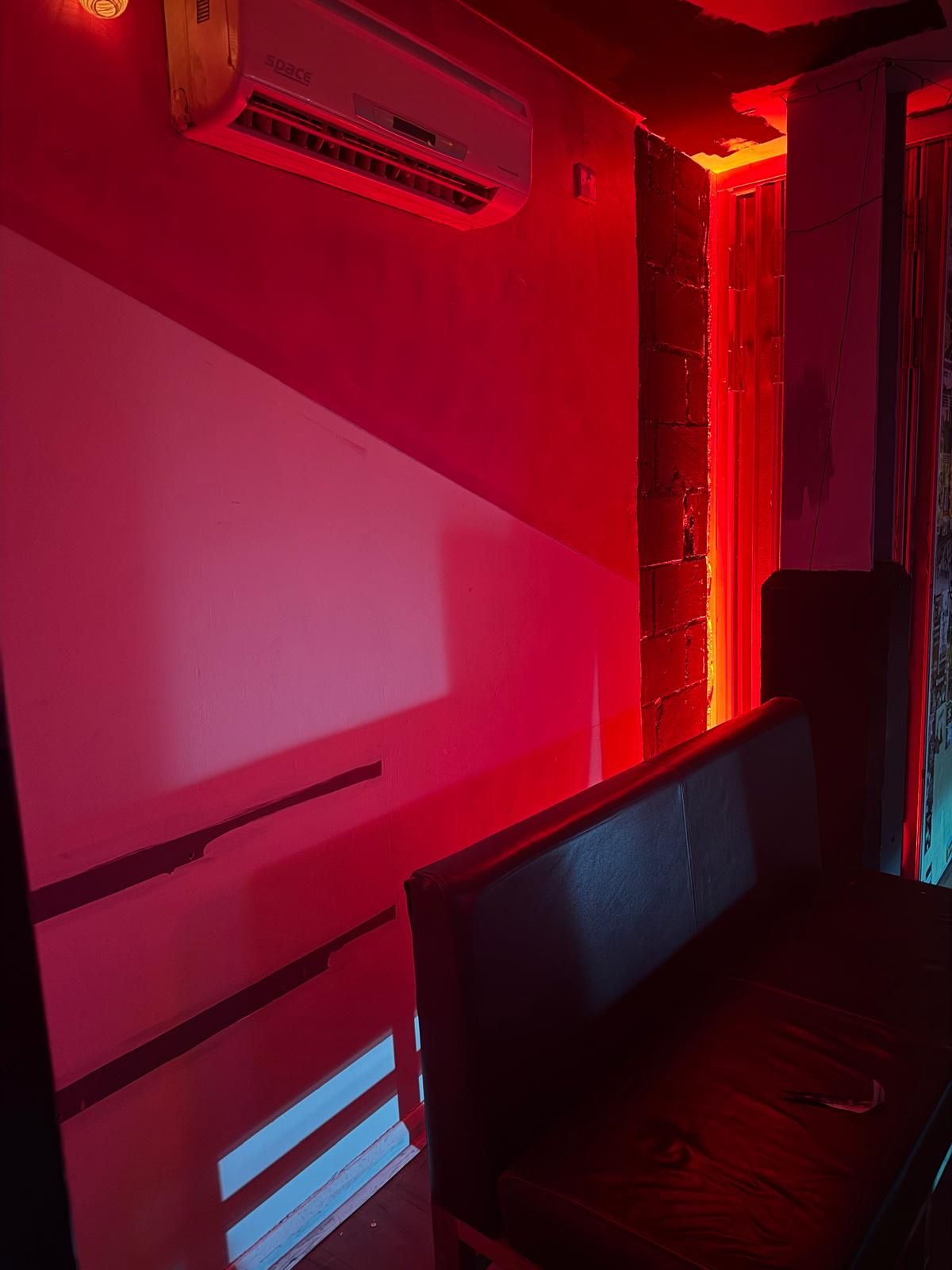
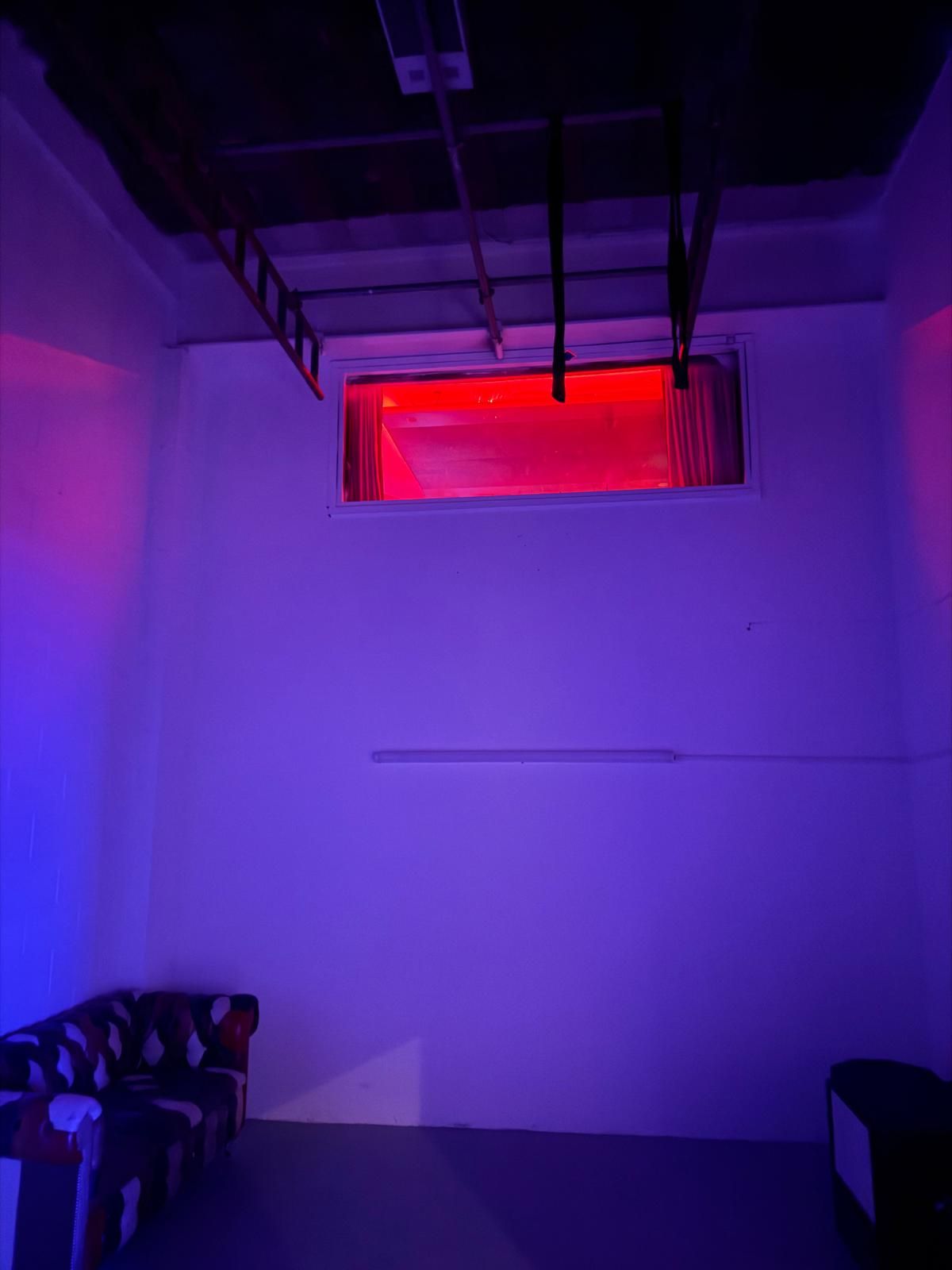
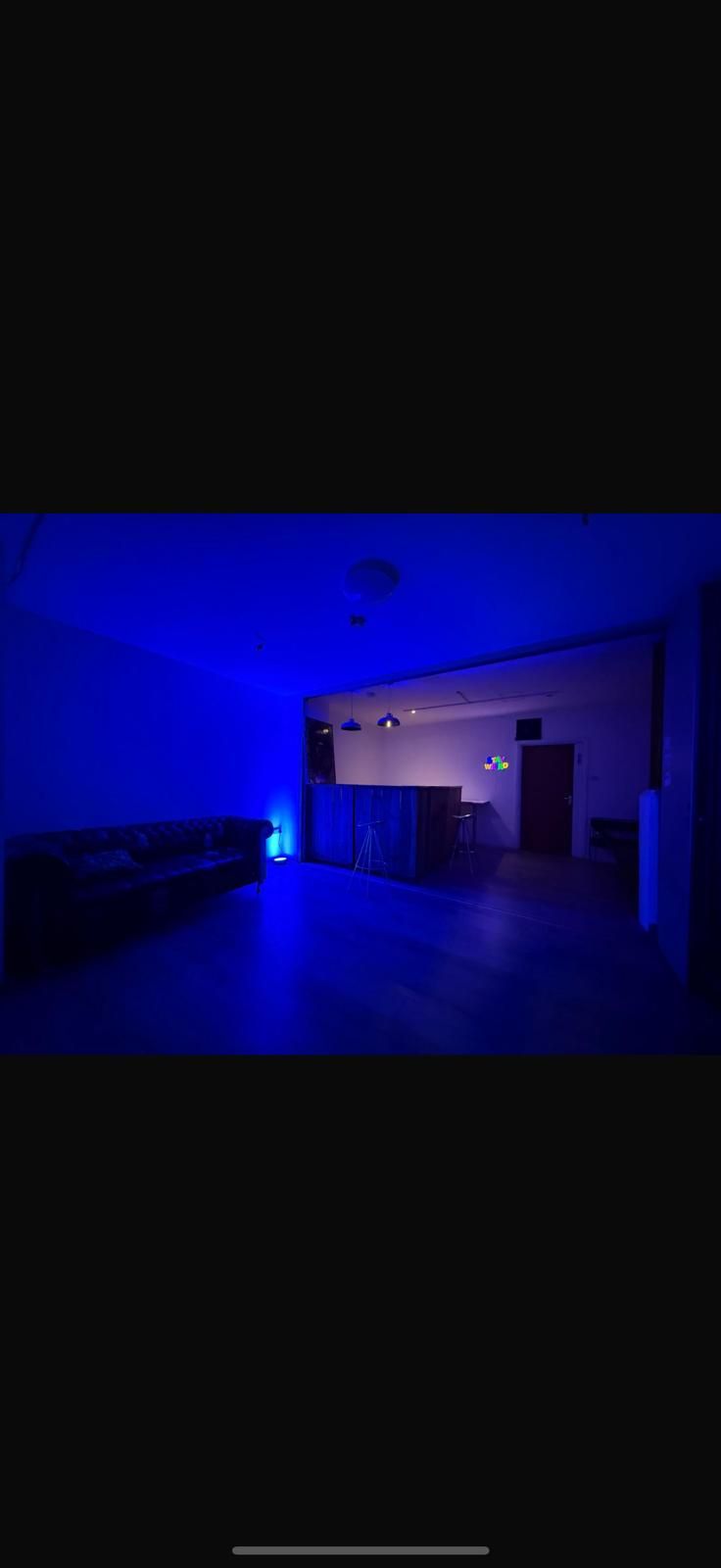
- Atmospheric red, purple, teal and blue lighting
- Viewing window from the adjacent room for livestream cameras
- 170-person capacity
- Full exclusivity, with no other bookings
You are not paying to borrow a controller in a room with a desk.
You are booking a complete stage for a rehearsal, recording, livestream or event.
The cost comparison
Here is the honest version.
If your goal is daily practice, a bedroom setup is usually better value.
A £1,000 home rig can give you hundreds of hours of access. Even a basic London practice room at £10–£20 per hour will eventually cost more if you book every week.
External studios such as Pirate’s East London rooms and Advanced Beats Studios show the range. You can find smaller rooms for focused practice, often with professional decks and mixers already installed.
That is the right route if you need somewhere to drill transitions cheaply.
@38 sits in a different category.
The Main Floor half-day rate is £600 for up to 4 hours. The full-day rate is £1,100 for up to 8 hours.
That means you are paying for:
- The equipment
- The full room
- The acoustics
- The lighting
- The visual backdrop
- The production space
- Exclusive access
- No set build
- No additional backline hire
- Enough room for a crew, cameras or a crowd
At £600, one booking is not cheaper than buying a controller.
That is not the point.
The question is whether one focused booking replaces several separate costs.
When the half-day pays for itself
A professional session starts to make financial sense when you need more than practice.
You are recording a finished set
You could record at home. You may already do.
But if the mix is for a label, promoter, press kit or public release, the room matters. So does the monitoring. So does the consistency of the setup.
You want to spend the session mixing. Not fixing room noise, moving furniture or hiding a pile of clothes from the camera.
You are creating video content
A bedroom can produce good content with the right eye and enough control.
It is also easy for every video to look the same.
At @38, the raw industrial surfaces, steel structure, dark lighting and colour washes give you a finished visual language from the first shot. You can bring cameras in and start working. No temporary set. No printed backdrop. No day spent making a blank room look less blank.

You are preparing for a club or event
If the next booking has Pioneer CDJs, prepare on Pioneer CDJs.
A controller can teach you the fundamentals. It may not reproduce the jog feel, workflow, layout or pressure of a club-standard booth.
Use home practice to learn the music. Use a professional DJ studio to rehearse the performance.
That distinction saves time.
You are working with other people
A producer. A vocalist. Another DJ. A camera operator. A brand team.
The bedroom stops working quickly.
A larger room lets people stand somewhere without blocking the monitors. It gives the camera more options. It makes back-to-back sets possible. It gives the session a start and an end.
You need to play loud
Neighbours change the calculation.
If you live in a flat, loud practice is not always practical. You may spend most of the session monitoring through headphones and wondering whether the bass is translating.
A controlled studio gives you room to work at proper volume without turning your building into an unwilling audience.
The best setup is often both
You do not need to choose between home and studio hire.
Use your bedroom for frequency. Use the studio for impact.
A practical combination looks like this:
- Build a reliable home setup for daily practice.
- Learn your music and prepare your USBs at home.
- Book a professional studio before important gigs.
- Use the larger room for recording, livestreams and video.
- Test your final set on the equipment you expect to use in public.
This keeps the expensive studio time focused.
You are not paying £600 to learn what beatmatching is. You are paying for a room that lets you execute the work properly.
Three signs you have outgrown the bedroom
You probably need DJ studio hire in London when:
1. The room is now the problem
You are spending more time moving furniture, managing reflections and hiding the background than mixing.
2. The equipment is holding you back
You keep thinking about the missing deck, the different mixer layout or the turntables you cannot fit at home.
3. The next set has consequences
You are recording something public. Preparing for a headline. Shooting content for a release. Hosting people. Working with a brand.
That is when the environment becomes part of the result.
Book the room when the work needs a stage
A bedroom setup is for repetition.
A professional studio is for the session that needs to land.
@38 gives you the Pioneer setup, turntables, professional mixer, full PA and monitor system, controlled acoustics and a dark industrial backdrop in one booking.
From £600 for up to 4 hours. Main Floor. Full exclusivity. Clapton E5.
Book DJ @38 or check the full service details. We respond within 24 hours.
When did you know you had outgrown your bedroom setup? Was it the acoustics, the gear, the lack of space : or the fact that every video looked the same?
Comment below and tell us what changed. Then DM us or book your next session at at38.org.