A 170-person event sounds large until you break it into the parts that actually matter.
The venue.
The bar.
The door.
The sound.
The lighting.
The staff.
The plan for when 170 people arrive at once.
Get those right and the night runs cleanly. Get them wrong and you spend the whole event solving problems from behind the bar.
If you’re looking for a warehouse event space in London or an industrial event space in London, start with the venue package rather than the room alone. A cheap dry-hire space can become expensive once you add security, bar staff, equipment, lighting, cleaning and production.
At @38 Events, the full-venue package starts from £2,500. It includes a 170-person capacity across two spaces, full bar operation, staffing, security, a Pioneer DJ setup, atmospheric lighting and complete exclusivity.
One price. One contact. One less headache.
1. Choose the right capacity, not just the right postcode
A venue’s maximum capacity is only useful if the layout works for your event.
You need to know:
- Is the capacity standing, seated or mixed?
- Where does the bar sit?
- Can guests move between the spaces?
- Is there room for a DJ, stage, presentation or dancefloor?
- Are the toilets, exits and entry points practical for 170 people?
- Does the venue offer full exclusivity?
A 170-person event needs enough space for movement. If every metre is filled with furniture, guests queue at the bar, and the DJ is pushed into a corner, the room will feel smaller than the number suggests.
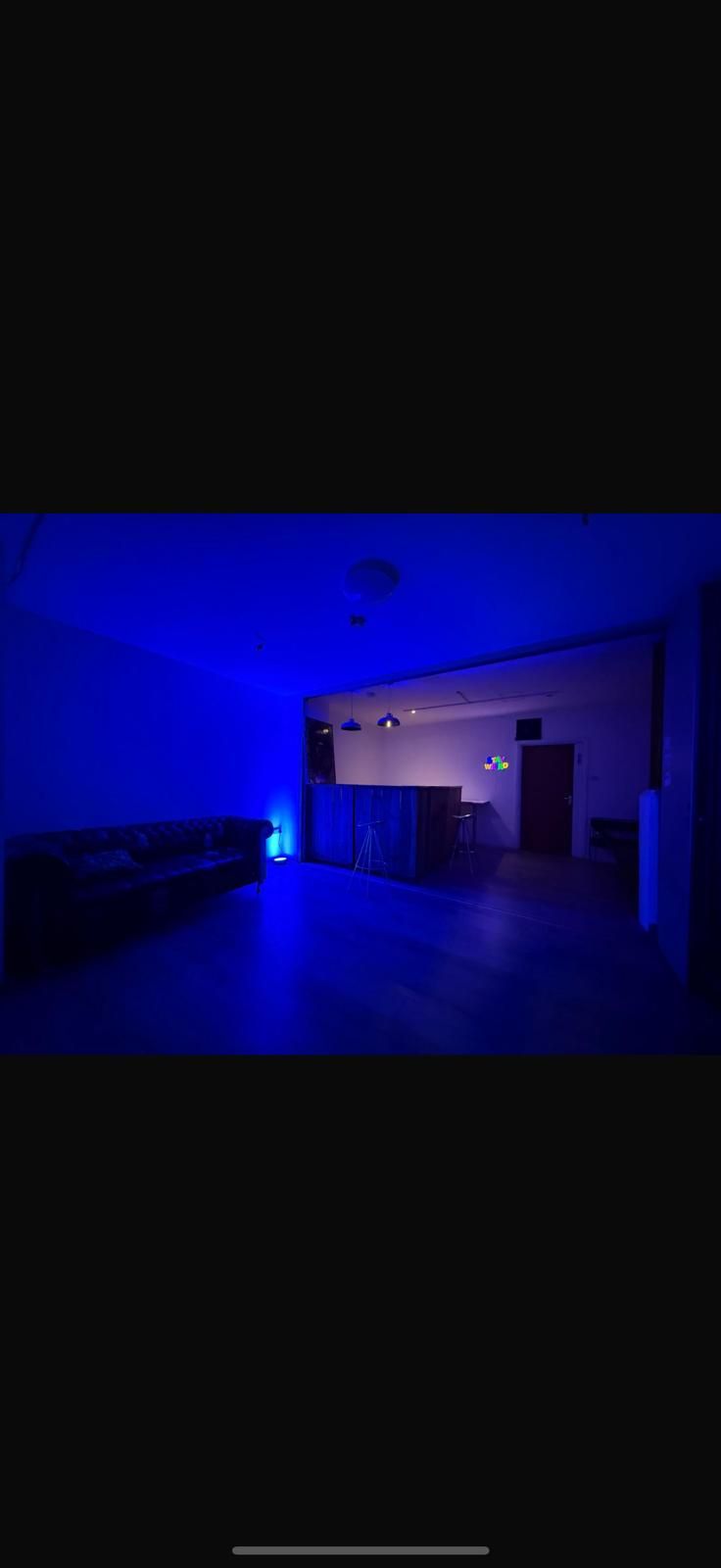
At @38, the 170-person capacity runs across two unique spaces. That gives you options. Use one area for the main event and another for the bar, seating, networking, performers or a quieter corner.
The point is not to fill every available surface. The point is to give the night a natural flow.
2. Pick a venue with character already built in
A raw venue can save you more than money. It saves time.
White-box spaces give you four blank walls and a long list of suppliers. You still need to build the atmosphere. You still need to bring in lighting, surfaces, furniture and visual identity.
An industrial venue gives you a starting point.
At @38, the architecture, dark surfaces and coloured lighting do the first part of the work. The space already has a visual language. You can add your branding, screens, furniture or production around it without covering every wall.
No set build required.
That matters for brand launches, private parties, club nights, listening events and creative industry gatherings. Your guests arrive somewhere with a point of view. Your event does not disappear into a generic room.
For a deeper comparison, read Warehouse Event Space London vs. White Box Venue.

3. Make the bar part of the plan
The bar is not a side detail. It controls the pace of the event.
A slow bar creates queues. Queues block entrances. Blocked entrances affect the atmosphere before the first track has even landed.
Before booking a warehouse event space in London, ask:
- Is the bar already installed?
- Who supplies the drinks?
- Who staffs it?
- Is service covered for the full event?
- Are glassware, refrigeration and bar furniture included?
- Does the venue handle the operational details?
At @38, the event package includes a full bar operation staffed throughout. You do not need to find a separate bar supplier, recruit temporary staff and coordinate another team on the night.
You still need to decide what you want to serve. Keep the menu focused. Beer, wine, spirits, soft drinks and a short cocktail list are easier to operate than a cocktail menu that reads like a full restaurant.
If you want a signature drink, make it simple. One strong serve is better than six complicated ones that slow down service.
4. Use the venue’s equipment instead of rebuilding the event
A DJ setup is another place where costs and delays stack up.
External equipment hire can mean:
- Delivery windows
- Loading access
- Setup and soundcheck
- Additional technicians
- Equipment insurance
- Breakdown and collection
At @38, the event package includes a professional Pioneer CDJ setup, turntables and mixer. Your DJs can bring their music and plug into a system built for the room.
That makes the brief clearer. You can focus on the running order, soundcheck and artist requirements rather than working out how to get a full setup into the building.
The same principle applies to lighting. @38 includes an atmospheric full lighting rig with purple, teal, red and blue options. The room can shift with the event rather than sitting under flat overhead light from start to finish.
Your setup. Our stage.

5. Get staffing and security confirmed in writing
“Staffing included” needs to mean more than someone handing over the keys.
For a 170-person event, clarify who is responsible for:
- Guest arrival
- Door management
- Bar service
- In-venue support
- DJ and production access
- Guest queries
- Incident response
- End-of-night close
At @38, venue staff are present throughout the event. Security covers both the door and the venue. That gives you a clear operational structure instead of leaving the organiser to manage every moving part.
Security is not about making the night feel heavy. It is about keeping the entry controlled, protecting guests and staff, and giving everyone a clear point of contact if something needs handling.
Ask the venue what is included, how many staff will be present, and whether any additional requirements apply to your event format. A private brand launch, a club night and a ticketed party may need different arrangements.
The venue should help you define that before the date is locked.
6. Keep the event exclusive
Shared venue hire creates friction.
You may be working around another booking, sharing arrival areas, hearing another event through the walls or having to compromise on timings. That is difficult when you are trying to make a night feel intentional.
At @38, event bookings are 100% exclusive. Your event is the only event in the building.
That means:
- No competing booking
- No shared guest areas
- No other organiser changing the atmosphere
- No confusion over who is responsible for what
- Full control of the room for the booking
For a brand, that control matters. For a promoter, it matters even more. Your guests should know where they are and why they are there.
7. Build a simple event timeline
You do not need a 40-page production document for every event. You do need a timeline that everyone can follow.
A basic evening might look like this:
4:00pm : Venue access
Organiser, DJs, performers and any approved suppliers arrive.
5:00pm : Setup and soundcheck
Check the Pioneer setup, lighting, guest list process and bar operation.
6:30pm : Staff briefing
Confirm roles, timings, guest access, emergency procedures and the running order.
7:00pm : Doors open
Bar service begins. Guests enter through a managed arrival point.
8:00pm : Main programme
Performance, presentation, launch moment, live recording or first DJ set.
10:00pm : Peak event period
Keep the bar moving. Keep the floor clear. Let the room do its work.
Late evening : Close and clear
Confirm the final track, guest departure and venue close with the team.
Share the timeline with your venue contact, DJs, performers and production team. Fewer surprises. Faster decisions.
8. Confirm the practical details early
Industrial spaces have a strong visual identity. They also need proper planning.
Before you confirm the booking, ask about:
- Venue access and setup hours
- Event finish time
- Noise restrictions
- Capacity conditions
- Emergency exits
- Loading and unloading
- Power requirements
- Catering or external supplier rules
- Alcohol service and licensing
- Cleaning and waste arrangements
- Branding, staging and furniture permissions
Licensing and safety requirements vary by venue and event type. Confirm them directly with the venue before promoting the event or selling tickets. The Eventbrite warehouse event guide is also a useful starting point when you are building your planning checklist.
The earlier you ask, the less likely you are to discover a restriction two weeks before doors.
A 170-person event should feel controlled, not corporate
The best event plans are mostly invisible.
Guests notice the atmosphere, not the spreadsheet behind it. They notice whether the bar moves, whether the sound is right, whether the room has energy and whether the night feels like it belongs somewhere.
That is the advantage of booking a proper industrial event space in London rather than assembling a temporary event from separate parts.
At @38, you get:
- 170-person capacity
- Full venue exclusivity
- Staff throughout the event
- Full bar operation
- Security at the door and in the venue
- Pioneer CDJ setup, turntables and mixer
- Atmospheric lighting
- No set build required
- Clapton · Hackney · London E5
Events start from £2,500 for an evening or weekend booking. Custom packages are available for specific production, staging, hospitality or branded event requirements.
Have an over-the-top event idea? Tell us about it.
Comment below with the most ambitious event you would put on at @38, then DM us to check your date. We respond within 24 hours.
Leave a Reply